
Disconnected
The Catalan Digital Divide Index
An innovative tool to measure and
reduce digital inequalities in Catalonia
What is the Index?
“Disconnected? The Catalan Digital Divide Index“ is a research report led by m4Social, the digital innovation project of the Taula d’entitats del Tercer Sector Social de Catalunya, with academic support from the Open University of Catalonia (UOC). It aims to offer a robust and recurring tool to monitor and better understand the socio-digital divide across Catalonia.
It is a pioneering and innovative tool because, for the first time, it uses data from both public and private sources, thanks to the collaboration between civil society, public administrations, and the private sector.
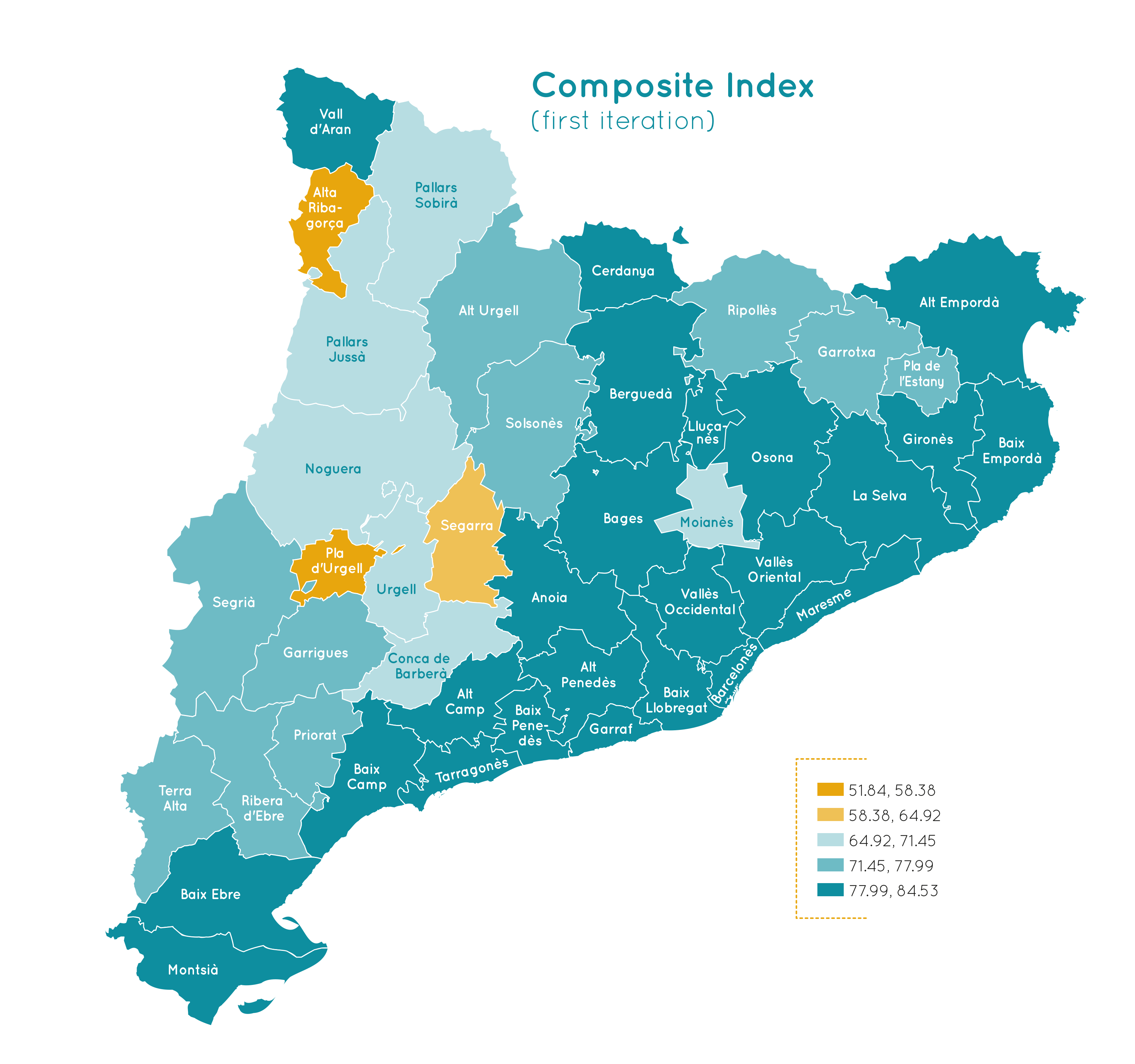
This index makes it possible to identify digital inequalities in Catalonia in detail, county by county, and provides a territorial and social overview of the phenomenon.
What dimensions does it analyze?
Digital infrastructure
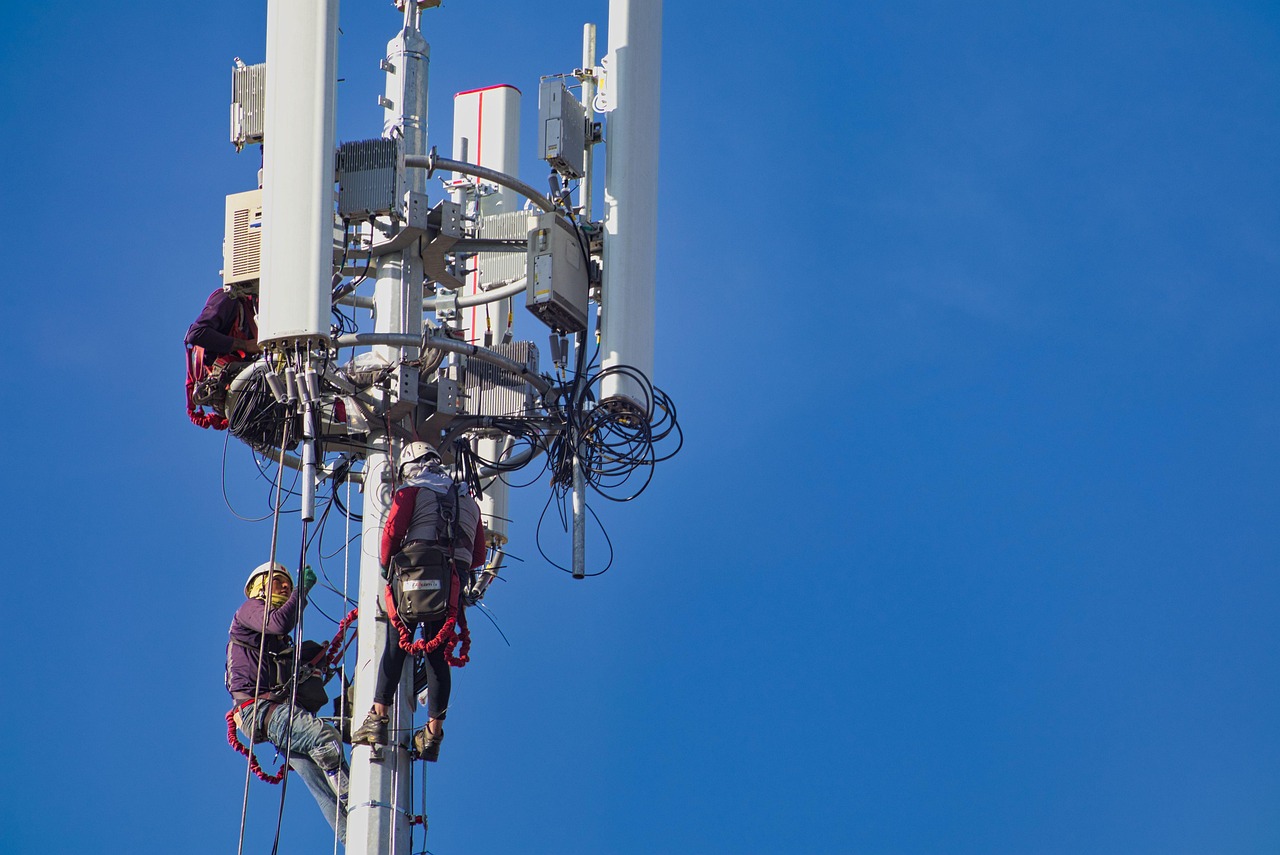
5G network, internet and broadband access, mobile phone access.

Equipment
Availability of internet, mobile phones, broadband, and ICT resources in schools.
Digital uses
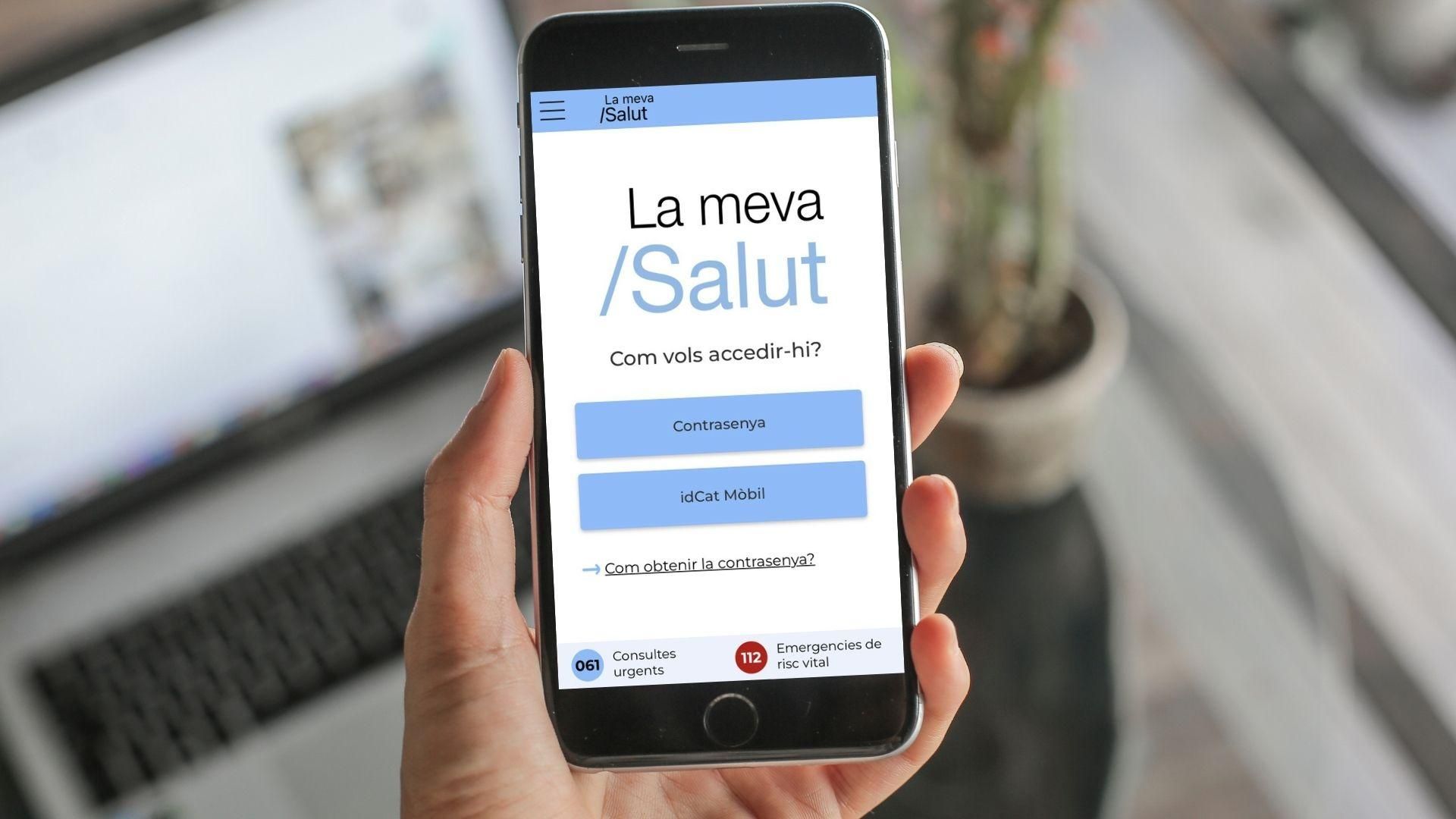
Effective use of digital public services like health portals, e-consultations, and e-government platforms.
With this information, concrete policies and actions can be promoted to reduce inequalities in access to and use of digital services.
Digital infrastructure
- Average 5G network coverage is 94,6%.
- Significant territorial inequalities: from 99,9% in Barcelonès to 20,3% in Alta Ribagorça.
- Internet and broadband access is practically universal (97,1% of households).
- Mobile phone access reaches 99,4%.
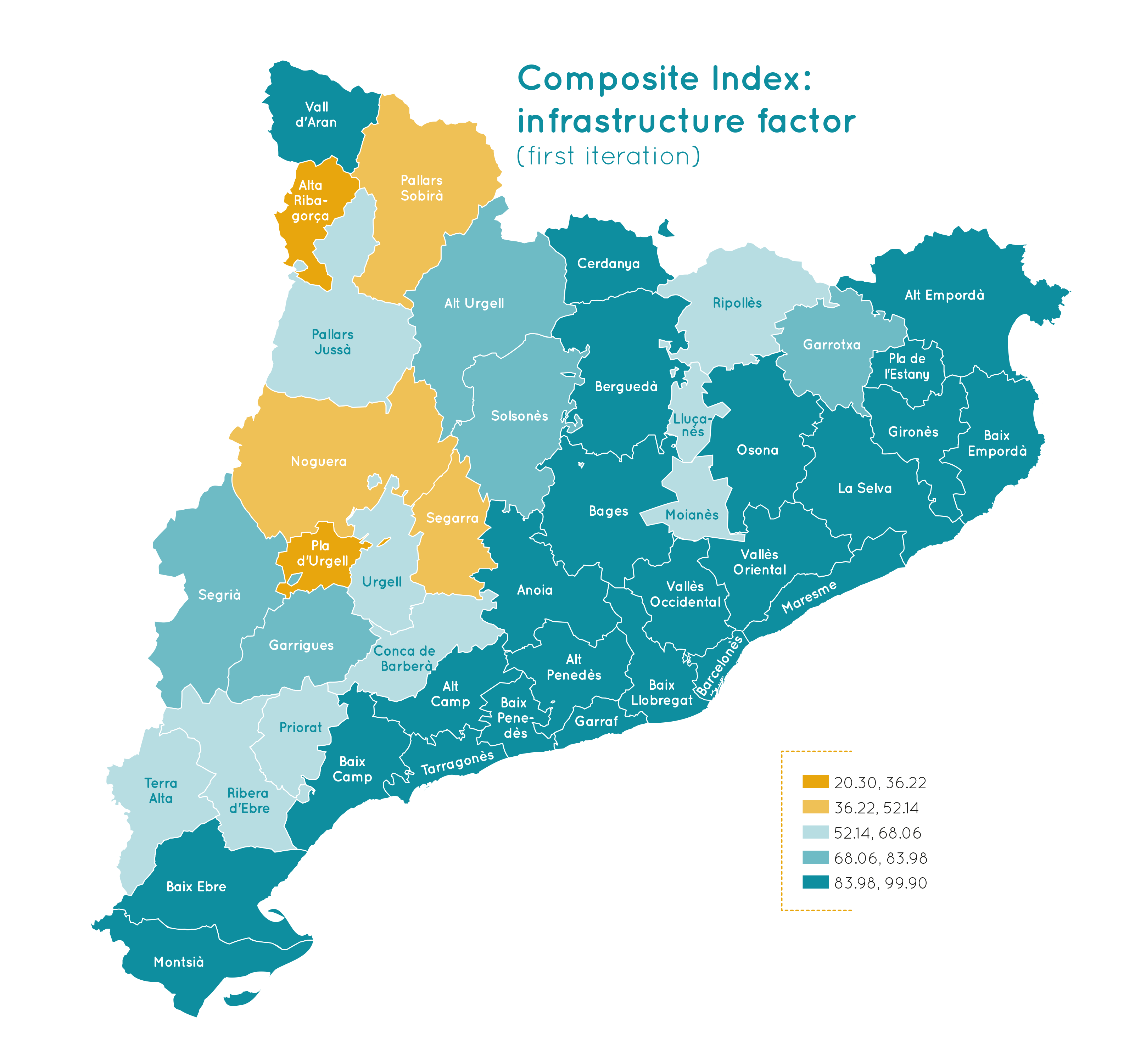
Rural and mountain areas still face infrastructure deficits.
Digital infrastructure
- Average 5G network coverage is 94,6%.
- Significant territorial inequalities: from 99,9% in Barcelonès to 20,3% in Alta Ribagorça.
- Internet and broadband access is practically universal (97,1% of households).
- Mobile phone access reaches 99,4%.
Rural and mountain areas still face infrastructure deficits.
Equipment
- Households: almost universal access to the internet (97,1%) and mobile phones (99,4%).
- Educational centers:
- 94,8% have WiFi available for teachers.
- An average of 55,6 computers per 100 students, with major territorial differences (from 28,5 in Alta Ribagorça to 90,6 in Ripollès).
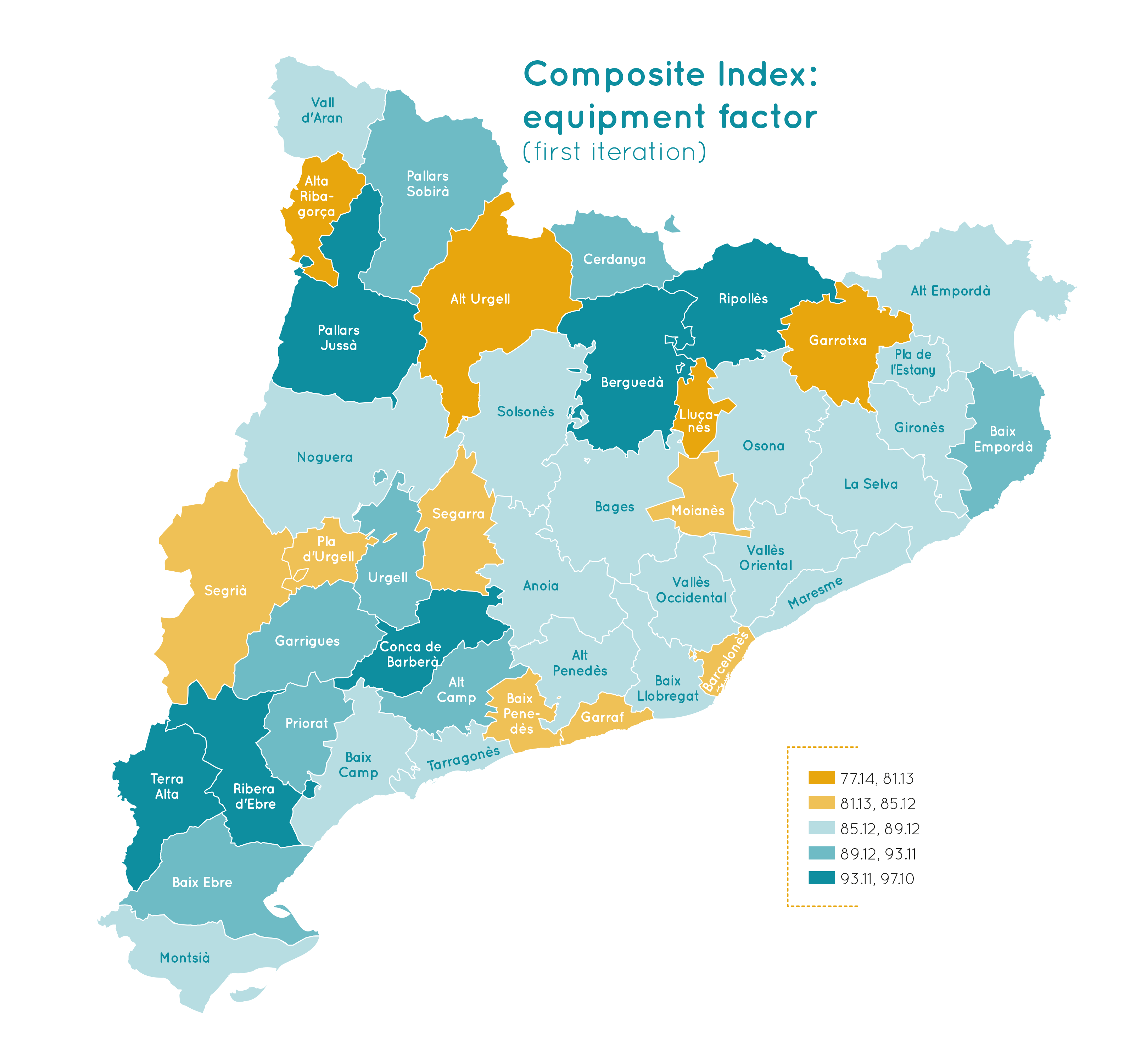
These inequalities can have an impact on educational equity.
Equipment
- Households: almost universal access to the internet (97,1%) and mobile phones (99,4%).
- Educational centers:
- 94,8% have WiFi available for teachers.
- An average of 55,6 computers per 100 students, with major territorial differences (from 28,5 in Alta Ribagorça to 90,6 in Ripollès).
These inequalities can have an impact on educational equity.
Digital uses
- Internet use among people aged 16 to 74: 96,8%.
- Email: 99,4%.
- Online shopping: 97,1%.
- Public digital services:
- La Meva Salut: only 63,6% of the population.
- eConsulta (among people aged 75+): only 10,7%.
- Digital banking services: 84% of the population.
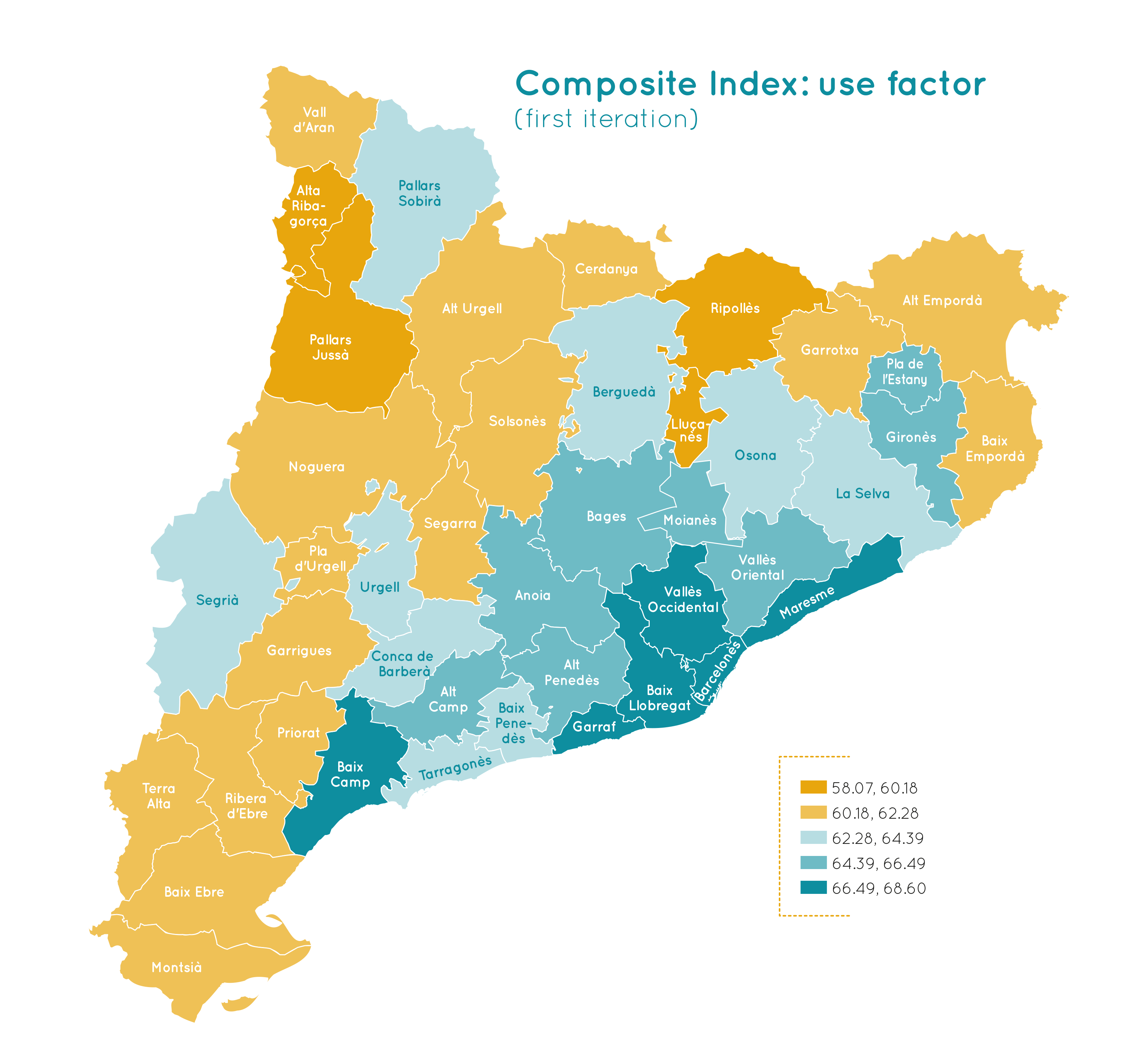
Public digital services are still far from matching banking in terms of digital use: they need to be simpler and more accessible.
Digital Uses
- Internet use among people aged 16 to 74: 96,8%.
- Email: 99,4%.
- Online shopping: 97,1%.
- Public digital services:
- La Meva Salut: only 63,6% of the population.
- eConsulta (among people aged 75+): only 10,7%.
- Digital banking services: 84% of the population.
These inequalities can have an impact on educational equity.
Digital divides detected
Age
- People between 35 and 54 years are the ones who use digital services the most.
- From the age of 65 onwards, usage drops significantly.
- Among people aged 75 and over:
- Only 41.4% access La Meva Salut.
- Only 45.5% use online banking (vs. 96.7% of those aged 25–34).

Territory
- Less populated and mountain counties (Alta Ribagorça, Terra Alta, Pallars Sobirà) show the lowest levels in infrastructure, equipment and use.
- Metropolitan and coastal areas (Barcelonès, Baix Llobregat, Vallès Occidental) show the highest levels in all indicators.
Economy
Among people who use banking services:
- 94% of those with high incomes access them through digital channels.
- Only 17% of those with low incomes.
The digital divide amplifies pre-existing social inequalities.
Gender
- No major differences in access to internet, email or online shopping.
- In health:
- 65,5% of women access La Meva Salut vs. 61,3% of men.
- This may reflect caregiving roles and the family management of health.
The report also shows how age, territory, socioeconomic level and gender decisively influence digital use:
People between 35 and 54 are the most frequent users of digital services, while usage drops significantly after the age of 65.
Territorial inequalities, linked to infrastructure, equipment and digital use.
People with higher incomes use digital banking channels more often.
Women consult health services more frequently than men, reflecting an unequal distribution of caregiving roles.
Conclusions
- The digital divide in Catalonia is structural and multidimensional, going beyond technology access to reflect existing social inequalities.
- Territorial disparities are significant, especially between urban/metropolitan areas and rural/mountainous regions.
- Elderly populations and people in isolated areas have limited access and digital autonomy, especially in health and banking services.
- Despite widespread home internet access, schools in rural areas have fewer ICT resources, potentially affecting educational outcomes.
- Gender-based gaps are limited, although women show greater involvement in managing digital health services.
There is a need for systemic and collaborative interventions, combining efforts from public administrations, social organizations, and the private sector to build inclusive digital environments.
Conclusions
- The digital divide in Catalonia is structural and multidimensional, going beyond technology access to reflect existing social inequalities.
- Territorial disparities are significant, especially between urban/metropolitan areas and rural/mountainous regions.
- Elderly populations and people in isolated areas have limited access and digital autonomy, especially in health and banking services.
- Despite widespread home internet access, schools in rural areas have fewer ICT resources, potentially affecting educational outcomes.
- Gender-based gaps are limited, although women show greater involvement in managing digital health services.
There is a need for systemic and collaborative interventions, combining efforts from public administrations, social organizations, and the private sector to build inclusive digital environments.
What’s next?
The Index is a key tool to:
Guide policies and actions against the digital divide.
Improve and evaluate public digital services.
Share knowledge and replicate the model in other territories.
Consolidate a future Digital Divide Observatory of Catalonia: a stable space for collaboration between civil society, public administrations, and the private sector.
